„Erste Interview-Aufnahme mit professionellem Mikrofon — ruhige Vorbereitung, klares Ergebnis. Die Zusammenarbeit war unkompliziert und angenehm."
Berlin
Interview-Studio · Aufnahme · Deutschland
Mikrofon, Kameras und Schnitt — aus einer Hand für Gespräche und Interviews. Professionelle Technik ohne teure Studiobuchung. Persönlich betreut, ausschließlich in Deutschland.
Gesprächsaufnahmen mit professionellem Mikrofon — akustisch vorbereitet, abgemischt und sofort einsetzbar. Ideal für Podcasts, Oral-History und dokumentierte Interviews.
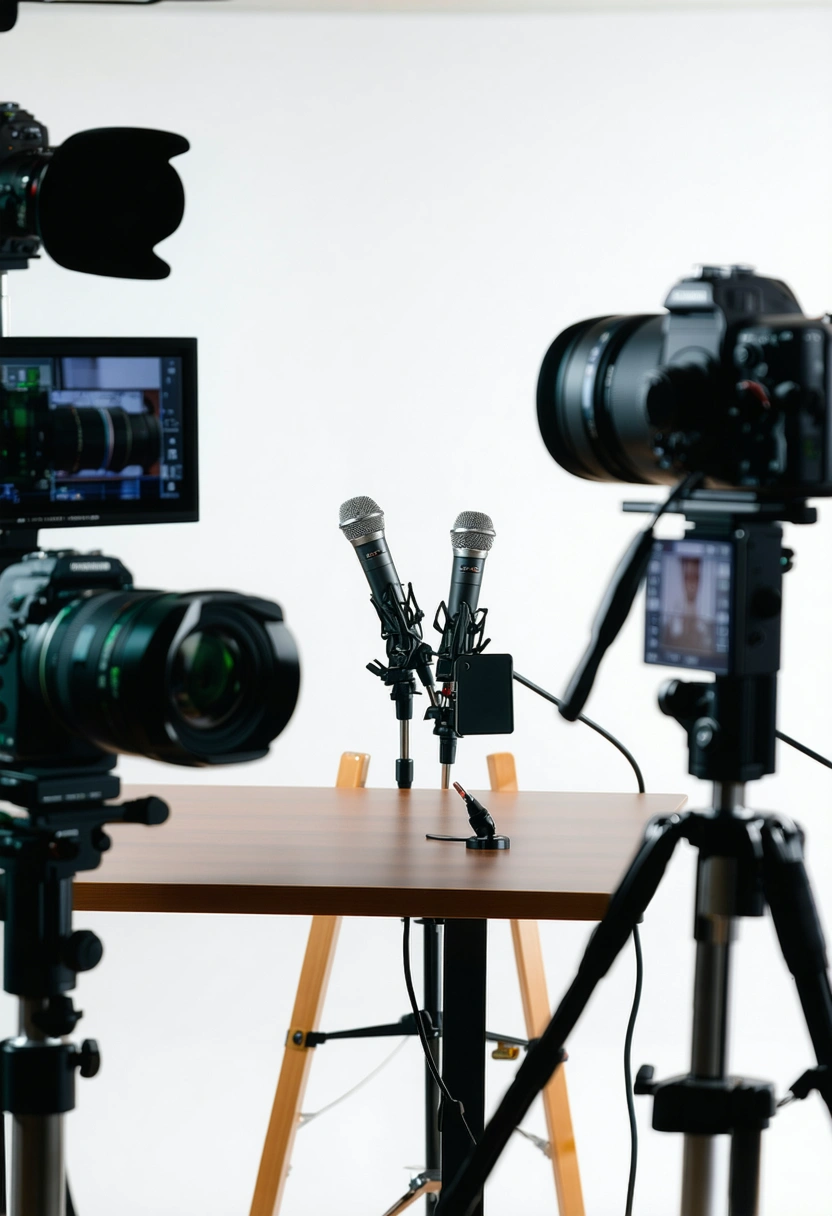
Bild und Ton im Studio-Feeling: ruhige Kameras, gezieltes Licht, klare Führung. Geeignet für Unternehmensporträts, Dokumentationen und persönliche Filmprojekte.
Rohmaterial vorhanden? Dateien senden genügt — ich strukturiere die Aufnahme, entferne überflüssige Pausen und liefere das gewünschte Format zurück.
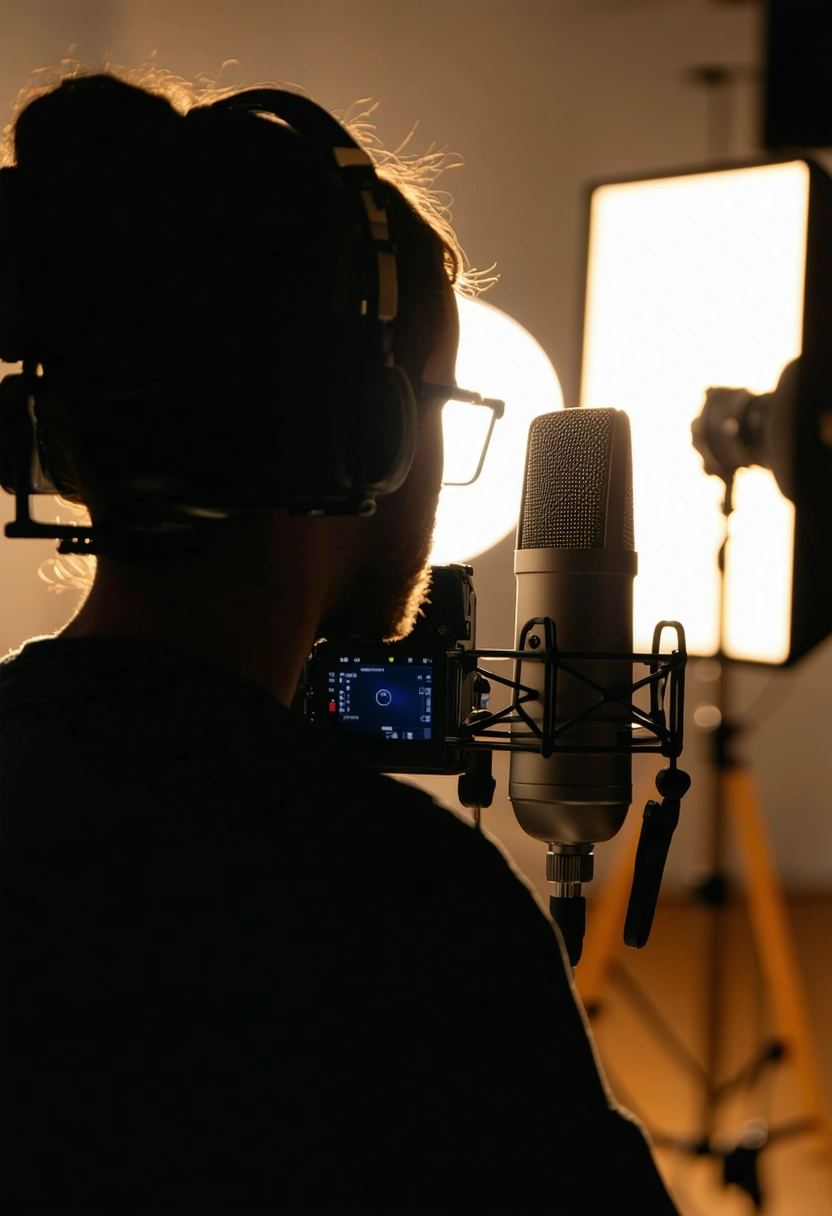
Ich bin Martin Heller — Privatperson, kein Großstudio. Was zählt, ist verlässliche Technik: Kondensatormikrofon, Audio-Interface, Kameras mit klarer Auflösung — und die Erfahrung, Gespräche so aufzunehmen, dass Gäste vorbereitet und ruhig wirken.
Kurze Pausen und Blickwechsel verändern den Ton im Studio spürbar. Deshalb plane ich Aufnahme und Vorbereitung so, dass Live-Momente kontrolliert bleiben — und die Kommentare später zum Inhalt passen.
Aufträge ausschließlich aus Deutschland. Konditionen und Ablauf besprechen wir direkt. Zahlung per Banküberweisung — ohne Drittdienste.
Der Begriff Interview geht auf das französische entrevue zurück — „kurze Begegnung", „zeitlich begrenztes Zusammentreffen". Im englischsprachigen Journalismus des 19. Jahrhunderts etablierte es sich als eigenständiges Format. Als erstes belegtes Zeitungsinterview gilt das Gespräch, das James Gordon Bennett 1836 in New York veröffentlichte.
Heute steckt das Interview hinter Podcast, Unternehmensfilm, Zeitzeugen-Bericht und wissenschaftlichem Gespräch. Das Grundprinzip blieb: Fragen und Antworten. Verändert hat sich die Aufnahme — Mikrofon, Kameras und der Raum drumherum.
Genau hier setze ich an: Das Gespräch gehört Ihnen. Meine Aufgabe ist eine professionelle Aufnahme, die im Studio und danach überzeugt.
Kurze Nachricht genügt — welches Interview, welcher Termin? Kein Formularzwang. Ich antworte persönlich.
Wir klären Format, Ort, Vorbereitung der Gäste und Honorar — transparent und ohne Umwege.
Im Studio-Setup vor Ort, bei mir oder remote — Mikrofon und Kameras so, dass der Live-Moment ruhig bleibt.
Fertige Datei direkt an Sie. Zahlung nach Absprache per Banküberweisung.
Kein Vorschuss. Keine Vertragsbindung. Alles individuell abgestimmt.
Schwacher Ton ist kein Nebenproblem. Er entscheidet, ob Zuhörende bleiben — oder die Kommentare abbrechen. Rauschen, Hall und unklare Mikrofonierung wirken direkt auf die Glaubwürdigkeit, unabhängig vom Inhalt des Interviews.
Das gilt für Podcasts, Unternehmensfilme und Oral-History gleichermaßen. Professionelle Aufnahmetechnik — Kameras, Mikrofon, ruhige Vorbereitung — ist Voraussetzung, kein Extra.
„Kurze Pausen und Blickwechsel verändern den Ton im Studio — Technik muss das mittragen."
Deshalb arbeite ich mit Großmembran-Kondensatormikrofonen, geeigneten Räumen und einem Schnitt-Workflow, der Nebengeräusche und unnötige Störungen entfernt — bevor die Datei bei Ihnen ankommt.
Ziel: Aufnahmen, bei denen die Technik zurücktritt — und das Interview wirkt. Leistungen im Detail →
„Erste Interview-Aufnahme mit professionellem Mikrofon — ruhige Vorbereitung, klares Ergebnis. Die Zusammenarbeit war unkompliziert und angenehm."
„Remote abgewickelt — Material geschickt, Schnitt und Ton übernommen. Pünktliche Übergabe, saubere Kameras und Mikrofon-Spur. Klare Empfehlung."
„Für unser Vereinsprojekt brauchten wir Zeitzeugen-Interviews — begrenztes Budget. Die Aufnahmequalität hat unsere Erwartungen klar übertroffen."
* Kommentare von Auftraggebern. Namen aus Datenschutzgründen abgekürzt. Individuelle Ergebnisse können variieren.
Vorfall im Studio
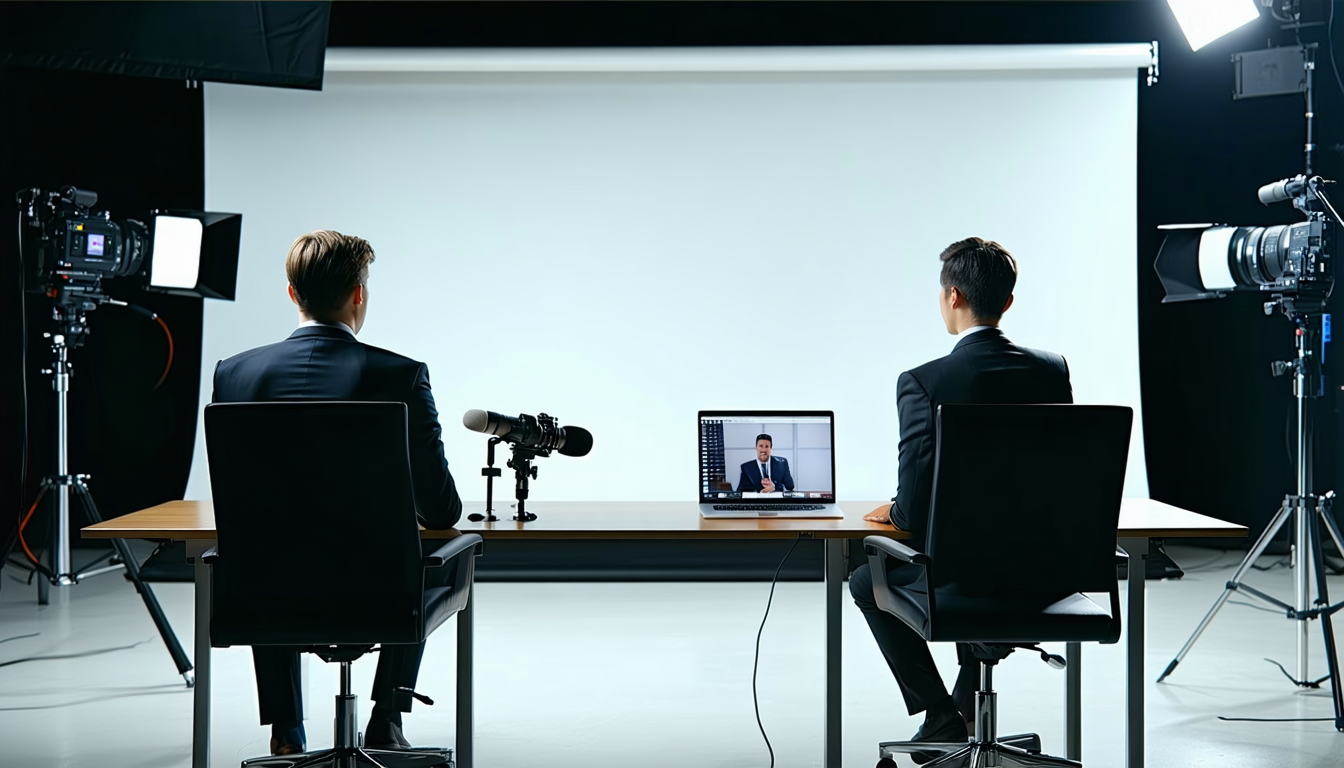
Ein Live-Moment, in dem eine kurze Pause den Ton im Studio spürbar verändert.
Als Fallbeispiel zeigt ein Vorfall im Studio, wie Blickwechsel, Kameras und Mikrofon zusammenwirken: Nicht nur der Inhalt zählt — sondern wie Gäste vorbereitet sind und wie ruhig die Aufnahme bleibt. Genau das gilt für Podcast, Audio-Interview und Unternehmensfilm.
„Ein Vorfall im Studio ist lehrreich. Er zeigt, warum Vorbereitung und Technik jede Aufnahme tragen."
Das Mikrofon erfasst Stimmen natürlich und präsent — ideal für Audio-Interview, Podcast und Voice-Over im Studio-Setup.
Verlustfreie Wandlung bei 48 kHz / 24 Bit — Standard professioneller Aufnahme, damit jeder Live-Moment sauber landet.
Kameras mit großem Sensor, ausgeglichene Farben, klares Bild. Lichtsetup, das Gäste ruhig und professionell wirken lässt.
Störungen entfernen, Lautstärke normalisieren, sinnvolle Pausen behalten. Export als MP3, WAV, MP4 oder nach Absprache.
Kein festes Studio nötig. Ich komme zu Ihnen oder wir arbeiten remote. Ergebnis: eine fertige Datei für Ihre Aufnahme. Anfrage stellen →
Ausschließlich Aufträge aus Deutschland. Vor Ort richte ich ein ruhiges Aufnahme-Setup ein — Wohnung, Büro, Besprechungsraum. Audio, Schnitt und Voice-Over sind vollständig remote möglich.
Remote heißt: Material oder Skript von Ihnen, fertige Aufnahme von mir — ohne persönliche Begegnung.
Nein. Mikrofon, Audio-Interface, Kameras und Licht bringe ich mit. Sie stellen einen ruhigen Raum bereit. Bei Remote (Schnitt, Voice-Over) entfällt auch das.
Ausschließlich per Banküberweisung — nach Lieferung der fertigen Datei. Kein Vorschuss, kein PayPal, kein Zahlungsdienst. Die Konditionen besprechen wir vorab, damit es keine Überraschungen gibt.
Das richtet sich nach dem Projektumfang. Ein einfaches Audio-Interview: in der Regel 1–3 Werktage nach der Aufnahme. Videoprojekte oder aufwendiger Videoschnitt etwas länger — den Zeitrahmen sprechen wir vorab ab.
Ja — für Schnittaufträge, Voice-Overs und reine Audioproduktionen vollständig per Remote. Sie schicken das Material, ich liefere das fertige Ergebnis. Eine persönliche Begegnung ist nicht erforderlich.
Das Format, das Sie benötigen. Audio: MP3 (192–320 kbps) oder WAV (24 Bit / 48 kHz). Video: MP4 in Full HD oder 4K. Weitere Formate auf Anfrage — ich passe den Export entsprechend an.
Auf Anfrage erhalten Sie Hörproben, Schnittbeispiele und Videoreferenzen — einfach über das Kontaktformular anfragen.
Beispiele anfordern